



Introduction
Modern industrial facilities depend on organized electrical infrastructure to support machinery, lighting, control systems and power distribution. Cable trays, ladder trays, raceways and suitable racks help create structured installations that are easier to inspect, maintain and expand.
Selecting the right products is only one part of the process. Material quality, correct sizing, installation planning and coordination between equipment and cable routes also influence the final result.
For contractors, facility managers and project engineers, understanding these factors can make cable management more efficient over the life of a project.
Why Cable Management Matters in Industrial Facilities
Unorganized cables can make maintenance difficult, complicate equipment changes and create avoidable installation risks. A properly designed cable management system provides defined routes and suitable support for cables.
An electrical cable tray can be used for cable distribution along ceilings, service corridors and industrial structures. A ladder cable tray may be appropriate for particular heavy-duty installations, while a raceway can provide a more enclosed route where the design requires it.
The selected products should be compatible with cable loading, environmental conditions, support spacing and applicable electrical installation requirements.
Understanding Common Cable Tray Types
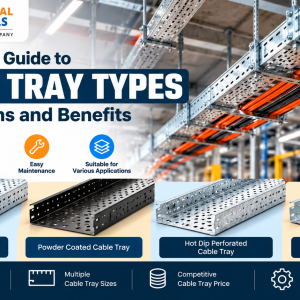
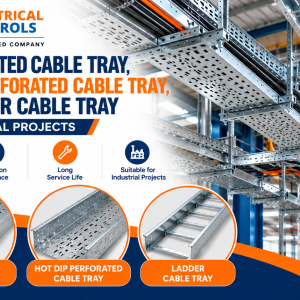
Perforated Cable Tray
A perforated tray features openings in its base that support ventilation and convenient cable fastening. It is commonly used for general cable routing, instrumentation and control installations.
GI Cable Tray
A GI cable tray is generally associated with galvanized steel construction. It can be used in a variety of industrial and commercial settings, depending on its material specification, coating and load rating.
Powder Coated Cable Tray
Powder-coated trays provide a uniform finish and an additional protective layer. They are useful when the installation requires a specific appearance or a coating suitable for the operating environment.
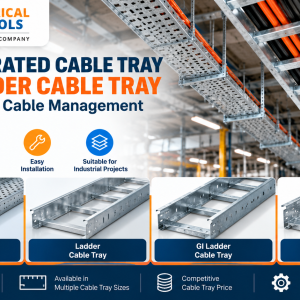
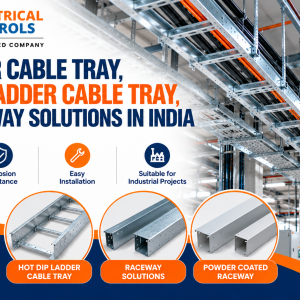
Hot Dip Ladder Cable Tray
A hot-dip galvanized ladder tray combines an open ladder-style structure with a zinc coating designed to improve corrosion resistance. It can be considered for outdoor and industrial applications where the coating specification meets the site's environmental requirements.
Each of these cable tray types should be evaluated according to the actual project requirements rather than appearance alone.
Selecting a Reliable Racks Manufacturer
A suitable Racks Manufacturer should understand the importance of structural quality, dimensional accuracy and consistent fabrication. The exact requirements will vary depending on whether the racks are intended for storage, equipment support or integration into a wider industrial installation.
When evaluating suppliers, consider these points:
- Material specifications: Confirm the material grade and thickness.
- Load capacity: Check that the design meets the intended loading conditions.
- Manufacturing quality: Review fabrication accuracy, finish and inspection practices.
- Customization: Confirm whether the manufacturer can provide the dimensions and configuration needed.
- Project coordination: Ensure that product dimensions and mounting arrangements work with the overall layout.
- After-sales support: Check the availability of technical information, replacement components and relevant documentation.
A clear specification makes it easier to compare suppliers and avoid misunderstandings during procurement.
How Cable Tray Sizes Affect Performance
Cable tray sizes must be selected according to the cable arrangement, installation space and expected load. Width and side height influence the space available for cables, while material thickness and construction affect structural performance.
The design should also account for cable weight, bend radius, support spacing, manufacturer load tables and planned future expansion.
Oversizing without a clear requirement may increase material costs, while undersizing can lead to installation difficulties and expensive modifications. Proper planning helps balance capacity and cost.
What Influences Cable Tray Price?
Cable tray price depends on several factors, including:
- Tray type and material.
- Width, side height and thickness.
- Galvanized or powder-coated finish.
- Load capacity and manufacturing specifications.
- Bends, tees, reducers, covers and other accessories.
- Quantity, delivery requirements and installation complexity.
For a fair comparison, request quotations using the same specifications. The lowest initial price may not provide the best overall value if the product does not meet the project's durability, loading or maintenance requirements.
Planning an Efficient Electrical Cable Tray System
A successful installation begins with a cable routing plan. Identify the cable routes, calculate expected loads, select appropriate products and coordinate tray locations with other services such as piping, ventilation and structural supports.
Allow suitable access for inspection and future maintenance. Confirm bonding and earthing arrangements, support spacing and installation practices according to the applicable standards and manufacturer's instructions.
This planning approach helps create a system that is practical to install and easier to manage over time.
Conclusion
Cable trays, ladder cable trays, raceways and suitable racks all contribute to organized industrial infrastructure. Choosing the right products requires attention to cable tray types, dimensions, material specifications, loading requirements and environmental conditions.
Working with a capable Racks Manufacturer and comparing cable tray price against clearly defined specifications can help project teams make informed purchasing decisions and develop a reliable cable management system.
Frequently Asked Questions
Q1. What products are commonly used for industrial cable management?
Common solutions include perforated cable trays, ladder cable trays, GI cable trays, raceways and suitable support structures.
Q2. What should I check before choosing a Racks Manufacturer?
Review material quality, dimensions, load capacity, fabrication standards, customization options and delivery commitments.
Q3. How do cable tray sizes affect an installation?
Correct dimensions help accommodate the cables, maintain an organized layout and provide suitable space for maintenance and future expansion.
Q4. Which cable tray type is best for industrial projects?
The answer depends on cable loading, installation conditions, corrosion exposure, accessibility and the manufacturer's specifications. No single type is best for every application.
Q5. How can I compare cable tray price between suppliers?
Compare the same tray type, material, thickness, dimensions, coating, accessories, quantity and delivery terms to make a meaningful comparison.