

Introduction
Industrial electrical installations require dependable cable support systems that can accommodate different cable loads and operating environments. Choosing the right tray helps organise electrical wiring, improve accessibility, and simplify maintenance.
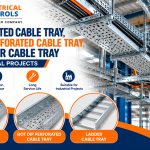
JP Electrical & Control focuses on cable management requirements for commercial and industrial projects across India. Three important options to consider are the GI Perforated Cable Tray, Hot Dip Perforated Cable Tray, and Ladder Cable Tray.
Understanding the differences between these products helps buyers make informed decisions based on environmental exposure, cable arrangement, and project specifications.
GI Perforated Cable Tray for Electrical Installations
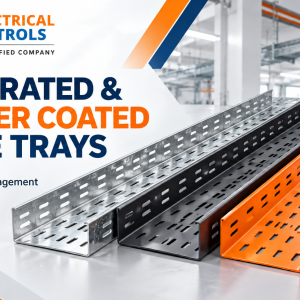
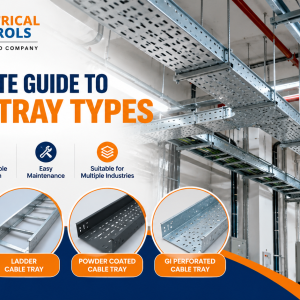
A GI Perforated Cable Tray is generally manufactured from galvanised iron or galvanised steel, depending on the supplier's terminology and product specification. Its perforated construction provides openings that can support cable ventilation and convenient cable fastening.
GI perforated trays are used in factories, offices, warehouses, commercial buildings, and electrical distribution systems.
When choosing a GI tray, review the base-metal thickness, galvanising quality, dimensions, load rating, and suitability for the intended environment. The galvanised finish helps resist corrosion, but its performance depends on coating quality and exposure conditions.
Hot Dip Perforated Cable Tray for Corrosion Protection
A Hot Dip Perforated Cable Tray is generally produced from steel that receives a hot-dip galvanised coating. This coating can provide effective corrosion protection when properly specified for the operating environment.
Such trays may be considered for industrial facilities, infrastructure projects, and other installations where additional corrosion resistance is required.
Buyers should confirm whether the product is hot-dip galvanised after fabrication or manufactured using pre-galvanised material. This distinction can affect coating coverage, particularly around cut edges, holes, and fabricated joints.
For outdoor or corrosive environments, assess the actual exposure conditions and confirm that the coating specification is appropriate.
Ladder Cable Tray for Larger Cable Runs
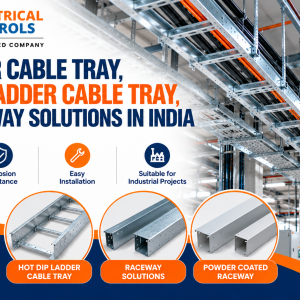
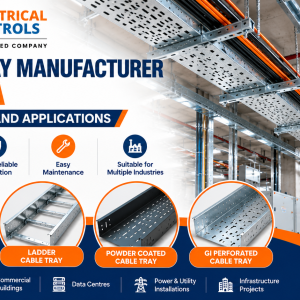
A Ladder Cable Tray features two side rails connected by regularly spaced rungs. Its open construction allows airflow around cables and offers convenient access for inspection and maintenance.
Ladder trays are often used in industrial plants, power distribution areas, utility installations, and long cable runs where cable weight and support requirements are important.
Before installation, assess the cable load, tray span, support spacing, rung arrangement, cable type, and required accessories. Proper engineering is essential for maintaining structural stability and cable support.
Understanding Cable Tray Types
Different cable tray types suit different installation requirements. Perforated trays can offer a balance of cable support and ventilation, while ladder trays are often preferred for larger cable runs and applications requiring an open structure.
A suitable electrical cable tray should be selected according to the cable manufacturer's recommendations, environmental conditions, electrical installation requirements, and applicable standards.
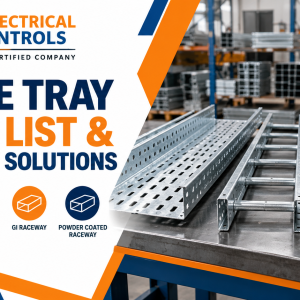
The raceway cable tray arrangement may also be considered when planning enclosed or more protected cable routing, depending on the particular product design.
Selecting Cable Tray Sizes and Estimating Cable Tray Price
Cable tray sizes should be based on cable quantity, cable diameters, required separation, installation clearances, and future expansion. Tray thickness and support spacing must also be appropriate for the expected load.
The cable tray price varies with material, dimensions, coating, manufacturing specifications, accessories, and order quantity.
For an accurate estimate, prepare a schedule listing tray type, width, side height, thickness, finish, length, fittings, and quantity. This makes it easier to compare quotations on a like-for-like basis.
Cable Management Support from JP Electrical & Control
JP Electrical & Control can be approached for enquiries regarding cable management requirements for projects across India. Before purchasing, verify technical drawings, dimensions, finish specifications, and product suitability for the installation.
If you are searching for a cable tray near me, include your delivery location and project details in your enquiry to help identify suitable supply options.
Frequently Asked Questions
- What is a GI perforated cable tray?
It is a perforated steel cable support tray with a galvanised coating intended to provide corrosion resistance under suitable conditions.
- What is the difference between GI and hot-dip galvanised cable trays?
GI is commonly used to describe galvanised material, while hot-dip galvanising refers to a coating process. Confirm the exact material and coating method in the product specification.
- When should I use a ladder cable tray?
Ladder trays are often suitable for longer cable runs and industrial installations where cable load, airflow, and maintenance access are important.
- How can I compare cable tray prices?
Compare equivalent material grades, dimensions, thicknesses, coating specifications, accessories, quantities, and delivery terms.
- How do I determine cable tray sizes for an industrial project?
Review the cable schedule, cable diameters, total load, tray fill, support spacing, and applicable engineering requirements.