
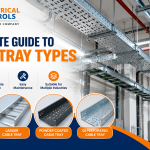


Electrical cable management is an essential part of commercial buildings, industrial facilities, offices, and infrastructure projects. A properly selected cable tray system helps organize electrical cables, simplify maintenance, and support safe cable routing. Understanding different cable tray types makes it easier to choose a suitable solution for a specific installation.
What Is an Electrical Cable Tray?
An electrical cable tray is a support system used to route and organize electrical wires and cables. It can be installed along walls, ceilings, floors, and industrial structures, depending on the project requirements.
Cable trays are available in different materials, designs, sizes, and surface finishes. Selecting the right option depends on cable load, installation environment, corrosion exposure, and maintenance requirements.
Popular Cable Tray Types
1. Perforated Cable Tray
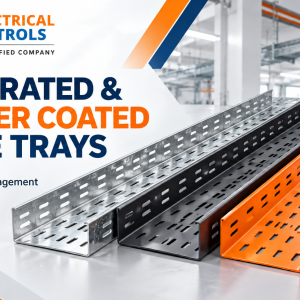
A perforated cable tray contains regularly spaced openings that support cable ventilation and help manage cable routing. It is commonly used in commercial buildings, factories, electrical rooms, and industrial installations.
2. GI Perforated Cable Tray
A GI perforated cable tray is manufactured from galvanized iron or galvanized steel, depending on the product specification. Its protective zinc coating helps improve corrosion resistance, making it suitable for many indoor and industrial applications.
3. Ladder Cable Tray
Ladder cable trays feature two side rails connected by cross members. They are commonly used for installations that require cable support, ventilation, and convenient access for inspection and maintenance.
4. Powder Coated Cable Tray
Powder coated cable trays feature a protective and decorative coating applied to the metal surface. The coating can provide additional surface protection when selected according to the operating environment.
How to Choose the Right Cable Tray
Before selecting a cable tray, consider the following factors:
- Cable quantity, diameter, and total weight.
- Required tray width, side height, and length.
- Indoor or outdoor installation conditions.
- Corrosion resistance and surface finish.
- Installation method and supporting structure.
- Applicable electrical and project specifications.
Reviewing these factors can help reduce installation difficulties and support long-term cable management.
Cable Tray Price and GI Cable Tray Sizes
The cable tray price depends on material thickness, width, side height, finish, manufacturing specifications, and order quantity. GI cable tray sizes should be selected according to the cable arrangement, required capacity, and future expansion needs.
For an accurate quotation, provide the required dimensions, material specification, finish, and estimated quantity. Comparing specifications rather than price alone helps buyers make a more suitable purchasing decision.
Conclusion
Choosing the right electrical cable tray improves cable organization and makes electrical installations easier to maintain. Perforated cable trays, GI perforated cable trays, ladder cable trays, and powder coated options serve different requirements. Evaluate the installation conditions and technical specifications before making a final selection.
Frequently Asked Questions
- What are the common cable tray types?
Common options include perforated cable trays, ladder cable trays, solid-bottom trays, wire mesh trays, and different coated or galvanized variants.
- What is a GI perforated cable tray used for?
It is used to support and organize electrical cables in commercial, industrial, and infrastructure installations.
- What affects cable tray price?
Material, thickness, dimensions, finish, quantity, and manufacturing specifications affect the final price.
- How do I select GI cable tray sizes?
Choose the width and side height based on cable quantity, cable diameter, loading requirements, and space for future expansion.
- How can I choose the right electrical cable tray?
Consider the installation environment, cable load, corrosion exposure, maintenance access, and applicable project standards.