Choosing between a sectional and a sofa depends on your room size, seating needs, layout, and personal preferences. Both options can provide comfortable seating, but they work differently in a living space. Understanding the advantages of each can make it easier to choose the right option for your home.
A sectional sofa can be a good choice when you need more seating in one piece of furniture. Its L-shaped or U-shaped design can provide plenty of room for fam... moreIs a Sectional Better Than a Sofa?
Choosing between a sectional and a sofa depends on your room size, seating needs, layout, and personal preferences. Both options can provide comfortable seating, but they work differently in a living space. Understanding the advantages of each can make it easier to choose the right option for your home.
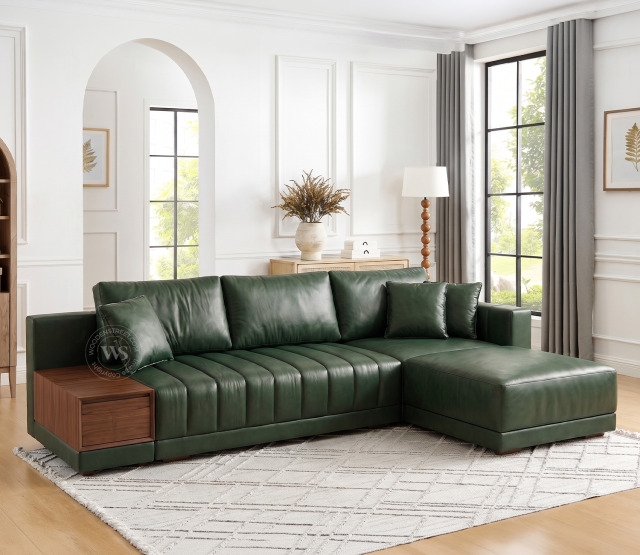
A sectional sofa can be a good choice when you need more seating in one piece of furniture. Its L-shaped or U-shaped design can provide plenty of room for family members and guests to sit, relax, or stretch out. Sectionals can also work well in larger living rooms and open spaces where you want to create a defined seating area.
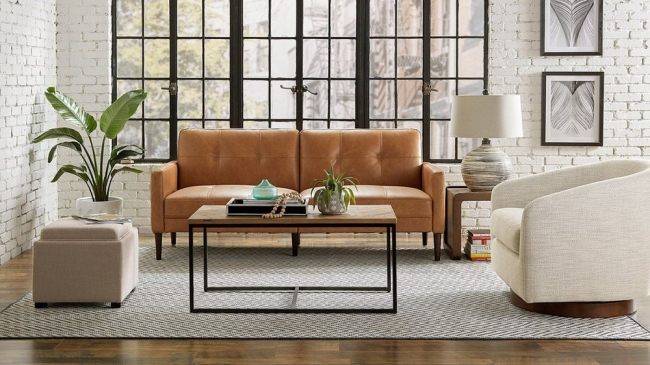
A traditional sofa may be a better option for smaller rooms or spaces where flexibility is important. Because a sofa generally takes up less floor space, it can leave more room for accent chairs, tables, storage furniture, or walking areas. Sofas are also easier to move and rearrange when you want to change your room's layout.
Room size is one of the most important factors to consider. Before choosing a sectional, measure the available floor space as well as doorways, hallways, and stairways. A large sectional may provide excellent seating but can make a smaller room feel crowded if there is not enough space around it.
Your everyday lifestyle should also influence your decision. If your household enjoys movie nights, entertaining guests, or relaxing together, a sectional may provide the extra seating and lounging space you need. If you prefer to rearrange furniture frequently or want a more open layout, a sofa may offer greater flexibility.
Comfort, construction, fabric, and overall design are also worth considering. Think about how the furniture will be used, whether you have children or pets, and how easy the material will be to clean and maintain. The right furniture should not only look good but also provide comfortable support for everyday use.
Whether you choose a sectional or a sofa, the best option is the one that fits your room, lifestyle, and comfort needs. Taking measurements and considering how you use your living space can help you make a practical decision that works well for your home.
Choosing the right sectional sofa is an important part of creating a comfortable and functional living room. A sectional can provide plenty of seating while helping define the layout of the space, but the right choice depends on your room size, lifestyle, comfort preferences, and overall furniture arrangement.
One of the first things to consider is the size of the sectional. Measure the available floor space before purchasing and remember to accou... moreWhat to Look for When Buying a Sectional Sofa?
Choosing the right sectional sofa is an important part of creating a comfortable and functional living room. A sectional can provide plenty of seating while helping define the layout of the space, but the right choice depends on your room size, lifestyle, comfort preferences, and overall furniture arrangement.
One of the first things to consider is the size of the sectional. Measure the available floor space before purchasing and remember to account for walkways, doors, windows, tables, and other furniture. A sectional that is too large can make a room feel crowded, while one that is too small may not provide enough seating for your household.
The layout and configuration of the sectional are also important. L-shaped sectionals are a popular choice for corners and open living spaces, while U-shaped designs can provide additional seating for larger rooms. Modular sectional sofas offer more flexibility because individual pieces can sometimes be rearranged to suit different room layouts.
Comfort should be another major consideration. Pay attention to the seat depth, cushion firmness, back support, armrest height, and overall seating position. If possible, sit on the sectional before buying it to see how it feels. A sofa may look great in a room, but everyday comfort is just as important as appearance.
Material and upholstery can also affect how well a sectional works for your home. Fabric sectionals can offer a soft and comfortable feel, while leather sectionals may provide a different look and can be easier to wipe clean. If you have children or pets, consider durable upholstery and materials that are practical for everyday use.
Construction and durability are worth checking as well. Look at the frame, cushions, joints, and overall build quality. A well-constructed sectional can provide better support and may hold up better with regular use. It is also helpful to understand the manufacturer's warranty and care recommendations before making a purchase.
Style is another factor to consider. Choose a sectional that complements your existing living room furniture, flooring, walls, and décor. Neutral colors can be versatile, while different fabrics, colors, and designs can help create a more distinctive look.
Whether you're furnishing a new home, replacing an old couch, or creating a comfortable space for family and guests, taking time to compare size, layout, comfort, materials, construction, and style can help you find a sectional sofa that fits both your home and your everyday needs.