
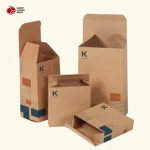

Retail packaging has to work for several people at once. The warehouse team needs it to stack and ship without damage, store staff need it to stock and display easily, and shoppers need it to look appealing, open smoothly, and protect what they bought. A pack that excels at only one of these jobs usually creates problems at the others.
This article explains what makes packaging practical for retail products, from protection and shelf display to ease of use, cost, and sustainability. You will learn why practical packaging matters, which features help retail product packaging stand out, how structures such as tuck boxes and window boxes work, and how to choose a pack that is easy to ship and stock. Strong retail packaging protects the product and supports sales at the same time.
Why Does Practical Packaging Matter in Retail?
Packaging touches every stage of the retail journey: filling, storage, shipping, shelf placement, purchase, and use at home. A pack that looks good but is hard to ship, stock, or open creates hidden costs in damaged goods, wasted labor, and frustrated customers. Understanding practical vs. impractical packaging begins with seeing how many people handle the pack before it reaches the buyer.
Serving Warehouses, Stores, and Shoppers
For warehouses, storage and shipping efficiency is the priority. Packs that ship flat, stack securely, and use space well lower freight and storage costs. Good handling and stacking performance means boxes do not crush, slide, or collapse in transit, which supports wider supply chain efficiency.
Store staff need packs that are quick to unpack, easy to place on shelves, and consistent in size. Shoppers need customer convenience: packaging that is easy to hold, read, open, and store. When a pack serves all three groups, it is functional and user-friendly packaging in the true sense of the term.
How Practical Packaging Improves the Shopping Experience
How practical packaging improves the customer shopping experience is easy to see in the aisle. Clear, easy-to-handle packs support a positive in-store experience, because shoppers can find the product, read the key details, and pick it up without difficulty. This directly shapes consumer behavior, since people tend to choose products that look clear, trustworthy, and simple to use.
At the point of sale and point of purchase, packaging has only seconds to communicate value. A pack that is confusing, damaged, or hard to handle can lose the sale, while a clean and practical one makes the purchase decision easier.
How Does Packaging Protect Retail Products From Shipping to Shelf?
Protection is the first requirement of any practical pack. Products may travel through warehouses, trucks, and stockrooms before reaching a shelf, and each stage brings crushing, vibration, scuffing, and humidity. Protection comes from the right combination of materials, structure, and fit.
Durability, Materials, and Product Protection
Reliable product protection begins with sound packaging materials. Board thickness, coatings, and structure determine how well a pack resists crushing, scuffs, and moisture. Strong packaging durability means the box looks as good on the shelf as it did when it left the factory.
Packaging inserts add another layer of protection. Molded trays, foam, or folded board hold the product in place so it does not shift or rattle. A good fit also reduces wasted space, which helps both appearance and freight cost. Choose materials based on product weight, fragility, and the conditions of your supply chain.
Tamper-Evident Packaging and Shopper Trust
Tamper-evident packaging uses seals, shrink bands, or perforated closures to show that a product has not been opened before purchase. This is especially useful for food, supplements, cosmetics, and personal care items, where safety and hygiene matter. Visible proof of an untouched pack supports positive brand perception and helps shoppers buy with confidence.
What Packaging Features Help Products Stand Out on Retail Shelves?
A practical pack must also be visible and easy to display. Shelves are crowded, and shoppers scan quickly, so features that improve clarity and presentation are part of practicality, not decoration.
Shelf Appeal, Brand Visibility, and Product Information
Strong shelf appeal comes from clear design: a readable logo, a confident color choice, and a layout that shows what the product is at a glance. Good brand visibility helps shoppers recognize your product among competitors, and consistent design across a range makes the whole shelf display look organized.
Clear product information is just as important. Shoppers need to see the product name, size, key benefits, and usage details without searching. Well-planned packaging for retail shelves places the most important details on the front and supporting details on the sides and back.
Window Boxes, Hang Tabs, and Display-Ready Packaging
Window boxes include a clear cutout that lets customers see the product without opening the pack, which builds trust and reduces handling. Hang tabs and display-ready packaging suit different retail setups: hang tabs allow products to sit on peg hooks, while display-ready packs can go straight onto shelves or counters, saving staff time.
Retail formats vary widely. Boxes, cartons, pouches, blister packs, and display packs each suit different products, and each is built from parts such as the lid, insert, window, label, and hang tab. Choosing the right format and the right components for your sales channel is central to functional packaging design.
Why Packaging Size and Shape Matter for Retail Shelves
Why packaging size and shape matter for retail shelves comes down to space and stability. Right-sized packs use shelf space efficiently, and stackable packaging makes better use of vertical space in stores and warehouses. Odd shapes may look distinctive, but they can waste space, tip over, or raise shipping cost. Balance creativity with practical limits so the pack still fits standard shelving and shipping cartons.
What Makes Packaging Easy for Customers to Use?
Ease of use is a core part of practicality. If a pack is hard to open, awkward to close, or difficult to store, customers notice. Convenience builds satisfaction and repeat purchases, while frustration leaves a lasting negative impression.
Tuck Packaging Boxes for Simple Assembly and Secure Closing
Tuck packaging boxes are folding cartons with flaps that tuck into the box to close it. They ship flat, assemble quickly, close securely, and stack neatly, which makes them a favorite for cosmetics, supplements, small accessories, and lightweight retail goods. Because they are easy to fill and easy for customers to open, they support easy-to-open packaging without added hardware.
As a form of custom retail packaging, tuck boxes can be printed with your logo, colors, and product details at a reasonable cost. Their flat shipping profile lowers freight and storage costs, and their uniform shape makes stackable packaging simple to achieve on shelves.
Clear Opening, Closing, and Reuse
Customers appreciate packs that open intuitively. Clear tear points, simple flaps, and visible instructions reduce frustration. Where products are used over time, features such as resealable closures or sturdy lids help customers store them neatly after the first use.
Good customer convenience also means avoiding excess packaging and wrapping. Too many layers waste material and annoy customers, while a well-planned pack protects the product with only what is needed.
How Do You Balance Retail Packaging Protection, Cost, and Appearance?
Practicality is a balance, not a single feature. How to balance retail packaging protection, cost, and appearance starts with knowing which matters most for your product. A fragile, premium item may justify stronger materials and richer finishes, while a low-cost, high-volume item may need simpler construction.
Look at packaging cost efficiency across the whole supply chain. A total cost of ownership view includes the unit price plus damage rates, freight, storage, labor, and returns. A cheaper pack that causes breakage or slows staff down can cost more overall than a stronger one.
Consider sustainable packaging too. Using the least material needed to protect the product reduces waste and often reduces cost. Recyclable board and right-sized packs support environmental goals while keeping the product safe. Describe materials honestly and avoid vague green claims.
How to Choose Retail Packaging That Is Easy to Ship and Stock
Knowing how to choose retail packaging that is easy to ship and stock takes a clear process. Define what the pack must do, compare options against those needs, and test before committing to a large order.
Matching Packaging to Product and Retail Channel
Start with the product: its weight, fragility, size, and value. Then consider the channel. Products sold on pegs need hang tabs, products on shelves need stable, stackable boxes, and products sold online need packs that survive parcel handling. Compare retail packaging solutions against these needs rather than choosing on appearance alone.
Also think about search intent, meaning what your buyers are actually looking for, such as easy opening, clear information, or eco-friendly materials. Keep your decisions contextually relevant to your product and audience instead of copying a competitor’s pack.
Testing and Working With Packaging Suppliers
Request samples and test them with your real product. Check the fit, drop and stack the packs, time how long assembly takes, and see how they look on a shelf. These checks reveal the best packaging features for products sold in stores far better than specifications alone.
Reliable packaging suppliers can speed this up by sharing material details, structure options, and samples. Request quotes from several suppliers and compare quality, lead times, and printing options, not only price. Manufacturers like Expert Custom Boxes typically supply samples and material details that help businesses compare options before ordering. Good packaging also supports your marketing and merchandising goals, since it carries your brand to the shelf.
Frequently Asked Questions
What makes packaging practical for retail products?
Practical retail packaging protects the product, stacks and ships efficiently, displays clearly on shelves, and is easy for customers to open and use. It also stays within budget and uses materials responsibly.
What are tuck packaging boxes used for?
Tuck packaging boxes are folding cartons with tuck-in flaps. They are used for cosmetics, supplements, small accessories, and lightweight retail goods because they ship flat, assemble quickly, and close securely.
How do window boxes help retail products?
Window boxes let shoppers see the product without opening the pack. This builds trust, reduces handling, and helps customers decide faster, especially for items where appearance matters.
How can I make retail packaging easier to stock?
Use consistent sizes, stackable shapes, and display-ready or hang-tab formats that match your retail setup. Right-sized packs also use shelf and shipping space more efficiently.
Is practical packaging more expensive?
Not necessarily. Practical packaging often lowers total cost by reducing damage, freight, and labor. Judge cost by total cost of ownership instead of unit price alone.
Conclusion
Practical retail packaging protects the product, displays well, opens easily, ships efficiently, and stays within budget. Tuck packaging boxes, window boxes, packaging inserts, and tamper-evident packaging each solve a different retail need, and the right combination depends on your product and sales channel.
A practical next step is to review your current pack against these points: protection, shelf display, ease of use, cost, and sustainability. Choose one weakness, test an improvement with samples, and measure the results. This keeps your retail packaging working hard for your product and your brand.